Seeds of Discipline

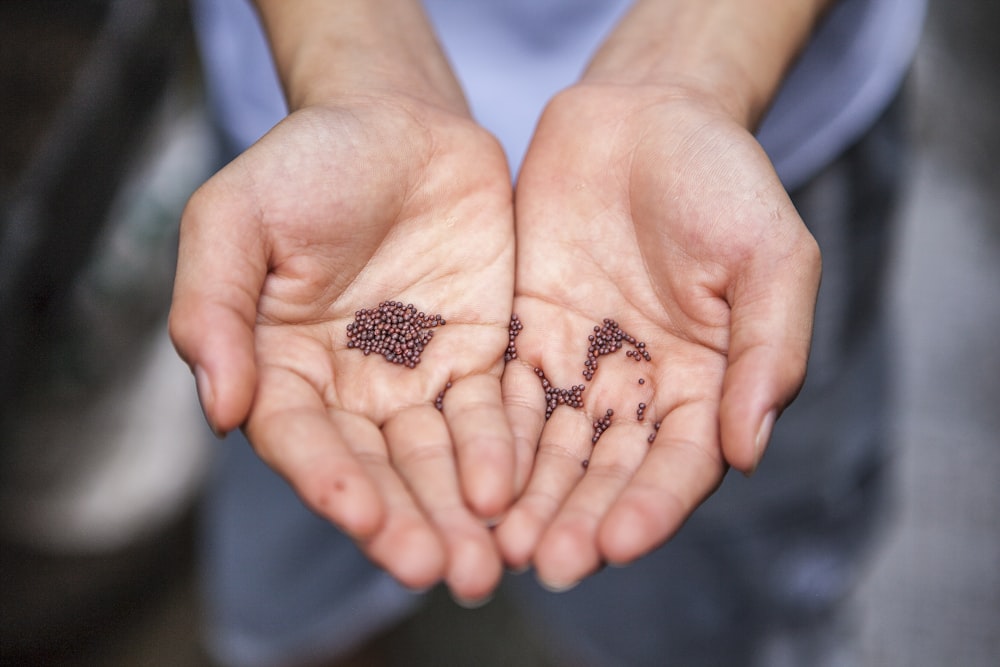
 person holding small beans

There are many definitions for “discipline” ranging from punishment to education, but practically speaking, discipline is the hidden work that you do when no one is looking. It is the blood, sweat and tears you shed in private. It is the sacrifice you make for the long-term payoff. It is the effort you put in for the intrinsic satisfaction of the work itself.

Discipline is the long nights and early mornings of studying so you can have the education to launch a productive career. It’s the countless hours of practice and hundreds of missed notes so others can enjoy a beautiful melody. It’s framing a house in the bitter cold so a family can have a home. It’s years of budgeting and saving so your family can enjoy security and experience financial independence. It’s thousands of miles run on dark, cold mornings so you have health and fitness. It’s years of sacrificing for and serving your spouse, including arguments and disagreements, so you can have a stronger marriage.

People notice the product of your discipline, but the practice itself is often hidden. In that sense, discipline is often suffering in quiet anonymity. While others will enjoy and maybe even celebrate the fruit, discipline is planting a seed that will remain buried and out of sight.

Keep planting those seeds.


Comments

Popular posts from this blog

Toxic Humility

We have all seen false humility: the guy who tries to hide his arrogance with feigned modesty. It’s usually pretty obvious and always obnoxious. But there is also another variation of false humility out there: toxic humility. This is often displayed in self-deprecating talk and a lack of self-confidence, belittling or undermining one’s own talents and abilities. The danger in this kind of behavior is twofold: it is too often accepted as true humility and like a virus, it spreads doubt and disbelief. To clarify, it is not that the bearer of this toxic humility isn’t honest about his view of himself. That is the very issue: he absolutely believes he has little value or utility. He thinks downplaying his own worth is humility but I disagree. CS Lewis said it best when he wrote, “Humility is not thinking less of yourself, it's thinking about yourself less.” His point being, true humility is not an ever-present raincloud of self-doubt that follows you around. It’s a focus on...

The Art of Intentionality

  “Intentional living is the art of making our own choices before others’ choices make you.” – Richie Norton   I am not even sure who Richie Norton is, but I love that quote! I imagine a ship drifting out to sea, pushed around by the wind and the waves. No course of direction, yet the captain is frustrated when the ship ends up dashed against the rocks, trapped on a sandbar or marooned on an inhospitable island. It is easy to complain when life takes us where we do not want to go. But who is really to blame if we have never set our sails to align us along an appropriate course? Do we blame the waves, wind and the weather? Or should we blame the captain of the ship? It is our life and our ship. We must set our sails with intentionality and determined choices. Otherwise, we are doomed to aimlessly drift along according to the choices and decisions of others. 

The Hungry Lion

  Early in my career, as I was struggling to both build up my clientele and provide food for my family, someone tried to encourage me by saying, “remember, the hungry lion hunts best.” At the time, that made sense to me. And it probably even provided some much-needed reassurance. But I have since come to think differently. I was a starving lion, and I learned a few things from the experience. Hungry lions get fatigued. They become desperate. They cut corners. They make unforced errors. But fed lions have their own issues. Their satiety can turn into selfishness. They get comfortable and then complacent. These lions do not hunt well either. I believe the lion who hunts best is not the hungry lion nor the satisfied lion, but rather the lion who hunts not for himself and his own hunger, but for the pride of lions around him. His drive is not his own need for nourishment; it is the hunger of those around him that motivates him. Our world is a hurting and hungry place. Not just ...